
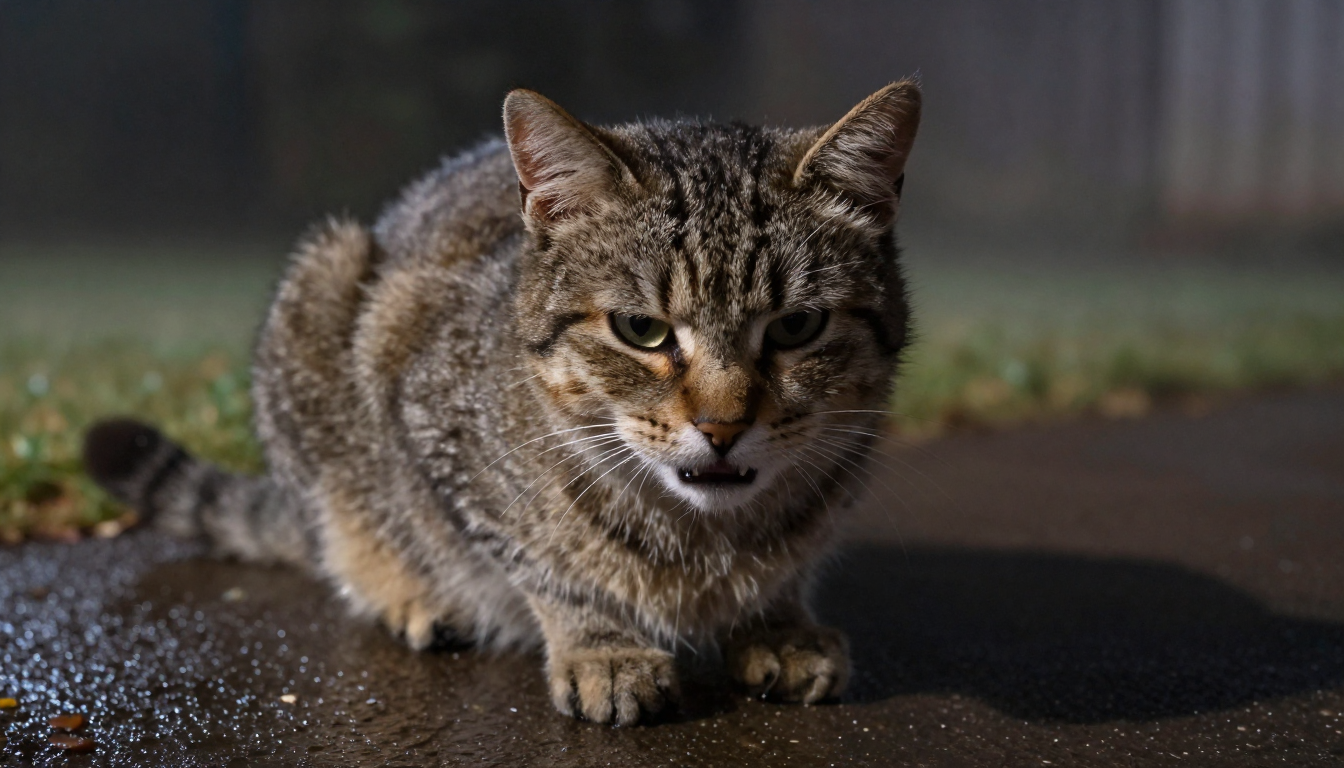
Can Cats Get Hypothermia in Perth’s Winter? What Local Pet Owners Need to Know
As Perth residents prepare for the cooler months ahead, many cat owners wonder: can cats get hypothermia during our mild winters? While Western Australia’s capital city is known for its Mediterranean climate and year-round sunshine, winter temperatures can still pose risks to our feline friends. Understanding when and how cats can get hypothermia is essential for keeping your pet safe and healthy throughout the season.
Understanding Perth’s Winter Climate
Perth experiences relatively mild winters compared to other Australian cities, with temperatures typically ranging between 8°C and 22°C during the cooler months from June to August. While these temperatures might seem comfortable, night temperatures can occasionally drop close to freezing, particularly outside the metropolitan area. The combination of rain, wind, and cool temperatures creates conditions where hypothermia becomes a genuine concern for cats.
What makes Perth’s winter particularly challenging for pets is the unpredictable weather patterns. The city experiences regular rain and winds ranging from 15 to 25 km/h, which can make temperatures feel significantly colder than they actually are. This wind-chill factor is especially dangerous for cats who spend time outdoors.
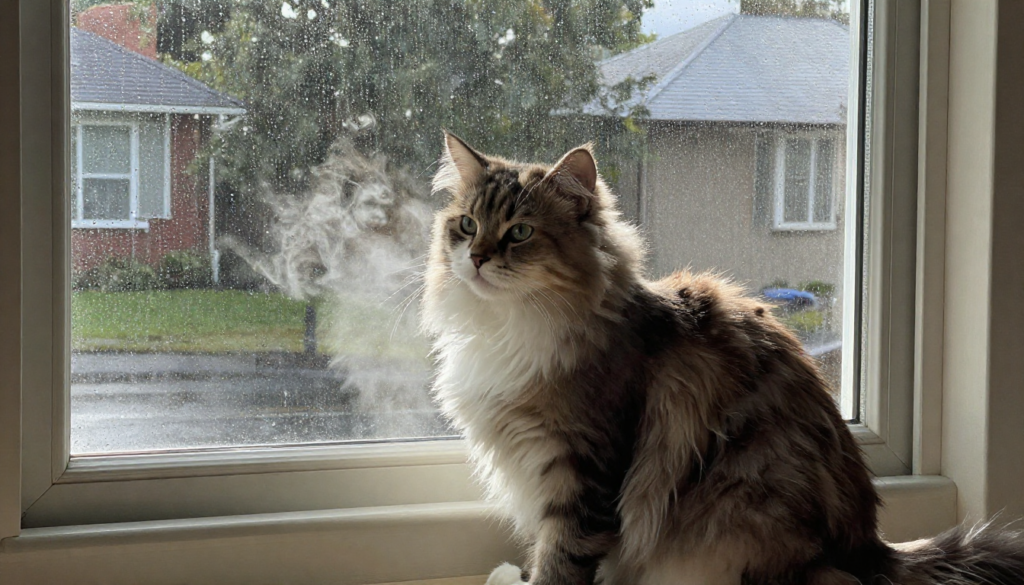
🐱 Stress-Free Cats: Expert Tips for WA Pet Parents
What Is Feline Hypothermia?
Cats normally maintain a body temperature between 38°C and 39.5°C, and when their temperature falls below 37°C, they enter a hypothermic state. This dangerous condition occurs when a cat loses body heat faster than they can generate it, leading to a drop in core temperature to potentially life-threatening levels.
Hypothermia can affect any cat, but certain felines are more vulnerable. Kittens, senior cats, and those with underlying health conditions face greater risks. Additionally, breeds like hairless cats are unable to retain body heat as effectively as cats with long, thick fur.
Recognising the Warning Signs
Perth cat owners should watch for several key symptoms that may indicate their pet is suffering from hypothermia. Early signs include:
- Shivering and trembling
- Lethargy or unusual tiredness
- Cold ears, paws, or tail
- Pale gums
- Seeking warm places constantly
- Decreased heart rate and breathing
As hypothermia becomes more severe, cats may experience dilated pupils, unresponsiveness, slowed heart rate and breathing, and in extreme cases, collapse or coma. If you notice any of these symptoms, immediate veterinary attention is crucial.
Primary Risk Factors in Perth
Even though Perth doesn’t experience extreme cold, several local factors increase the risk of cats getting hypothermia:
Wet Conditions: Perth’s winter brings significant rainfall, particularly in July. When a cat’s fur gets wet, heat escapes much more quickly, and hypothermia can develop more quickly than in dry conditions.
Outdoor Exposure: Cats who roam outdoors during cold, windy nights are particularly vulnerable, especially if they lack adequate shelter.
Poor Insulation: Many Perth homes weren’t designed with heating in mind. Houses generally lack central heating and are poorly insulated, so indoor temperatures can feel colder than expected.
Prevention Strategies for Perth Pet Owners
Protecting your cat from hypothermia during Perth’s winter requires proactive measures:
- Keep cats indoors during cold, rainy, or windy weather, particularly overnight
- Provide warm shelter if your cat must spend time outside, ensuring it’s completely covered, insulated, and protected from wind and rain
- Dry wet fur immediately if your cat comes inside after being caught in the rain
- Create warm indoor spaces with blankets, heated beds, or access to naturally warm areas of your home
- Monitor vulnerable cats more closely, including kittens, elderly cats, and those with health issues
For more information about protecting your cat’s health year-round, visit our comprehensive guide on common cat illnesses.
When to Seek Veterinary Care
Although most cases of hypothermia can be prevented and treated, this condition can become fatal if not addressed promptly. If your cat shows signs of moderate to severe hypothermia—including extreme lethargy, very cold body temperature, or loss of consciousness—seek emergency veterinary care immediately.
Conclusion
While Perth’s winters are relatively mild, the answer to “can cats get hypothermia” is definitively yes. The combination of rain, wind, and cool temperatures creates conditions in which cats—particularly vulnerable individuals—can develop this dangerous condition. By understanding the risks, recognising warning signs, and implementing preventive measures, Perth cat owners can ensure their feline companions stay safe, warm, and healthy throughout the winter months.
Also read – What to Expect When Adopting a Cat in Perth
🩺 Looking for a Local Vet? Port Kennedy’s Here for You!
Also visit: