
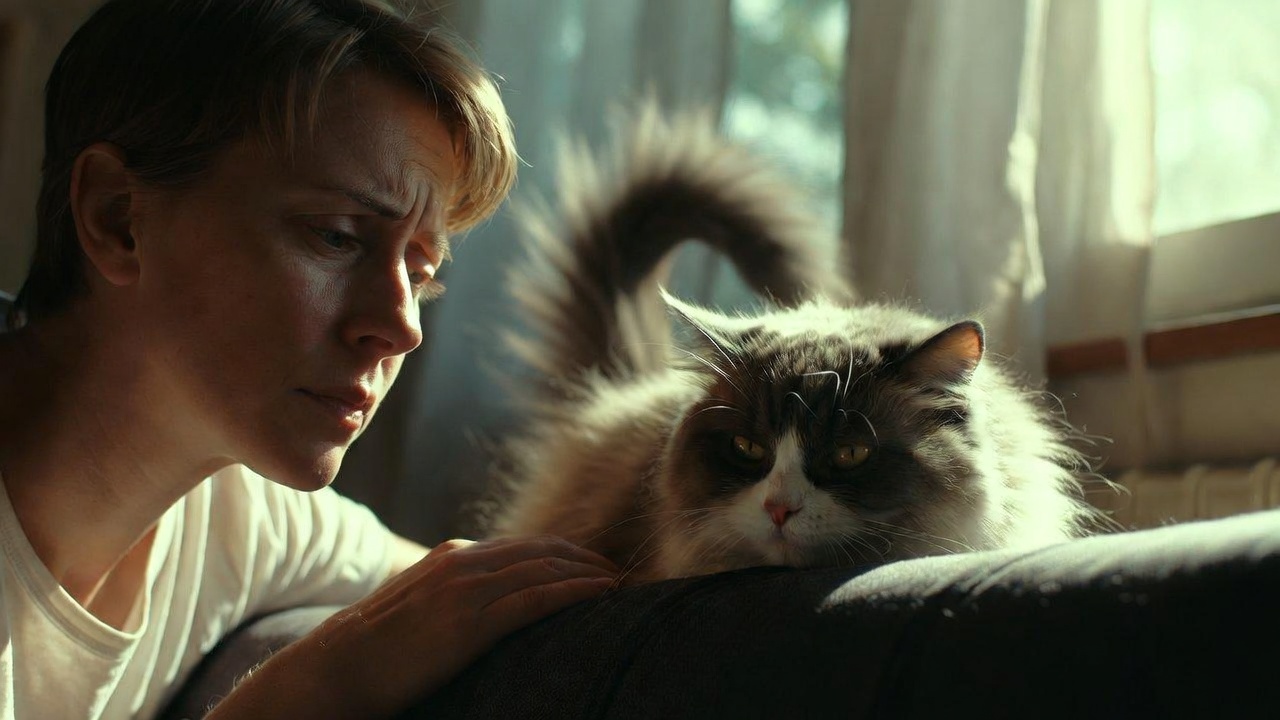
How Do You Know When Your Cat Is Stressed?
As cat owners across Western Australia, we cherish our feline companions and want them to live their happiest lives. However, cats are masters at hiding discomfort, making it challenging to identify when they’re stressed. Understanding the subtle signs of feline anxiety is crucial for maintaining your pet’s well-being, especially in our unique WA climate and lifestyle. Whether you’re in Perth’s suburbs or regional areas, recognising stress in cats early can help prevent serious health and behavioural issues.
Common Signs of a Stressed Cat
Cats communicate their emotional state through various behaviours. Watch for changes in appetite—a stressed cat may eat significantly less or refuse food altogether. Excessive grooming is another telltale sign, often resulting in bald patches or skin irritation. Your cat might also become unusually withdrawn, hiding more frequently in cupboards or under beds.
Litter box issues often signal stress in cats. If your previously house-trained feline suddenly eliminates outside the box, this behavioural change shouldn’t be ignored. Increased vocalisation, particularly at unusual times, and aggressive behaviour toward family members or other pets are also red flags.
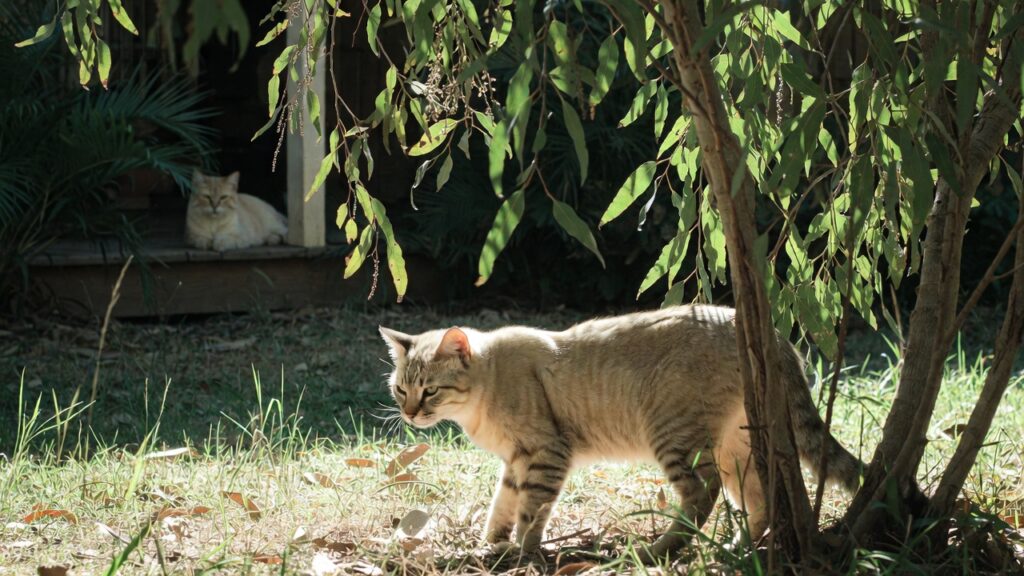
What Causes Stress in Western Australian Cats?
In WA, everyday stressors include household changes like renovations or new family members, environmental factors such as our hot summers that require indoor confinement, and encounters with local wildlife that can frighten indoor-outdoor cats. Moving house is particularly stressful for territorial animals like cats.
Creating a Stress-Free Environment
Establish consistent routines for feeding and play. Provide vertical spaces like cat trees where your feline can observe their territory safely. During Perth’s sweltering months, ensure multiple cool, quiet resting spots. Consider pheromone diffusers to create a calming atmosphere.
Interactive play sessions reduce stress in cats by providing mental stimulation and physical exercise. Dedicate at least 15 minutes daily to engaging your cat with toys that mimic prey behaviour.
When to Seek Professional Help
If stress symptoms persist despite environmental improvements, consult your veterinarian. They can rule out underlying medical conditions and may recommend behavioural therapy or medication. For more insights on feline health and wellbeing, explore our other cat care articles.
Remember, a relaxed cat is a healthy cat. By staying attentive to your feline’s behaviour and creating a supportive environment, you’ll ensure your Western Australian companion thrives for years to come.
Also read – Benefits of Keeping Your Cat Indoors
🩺 Looking for a Local Vet? Port Kennedy’s Here for You!
Also visit: