
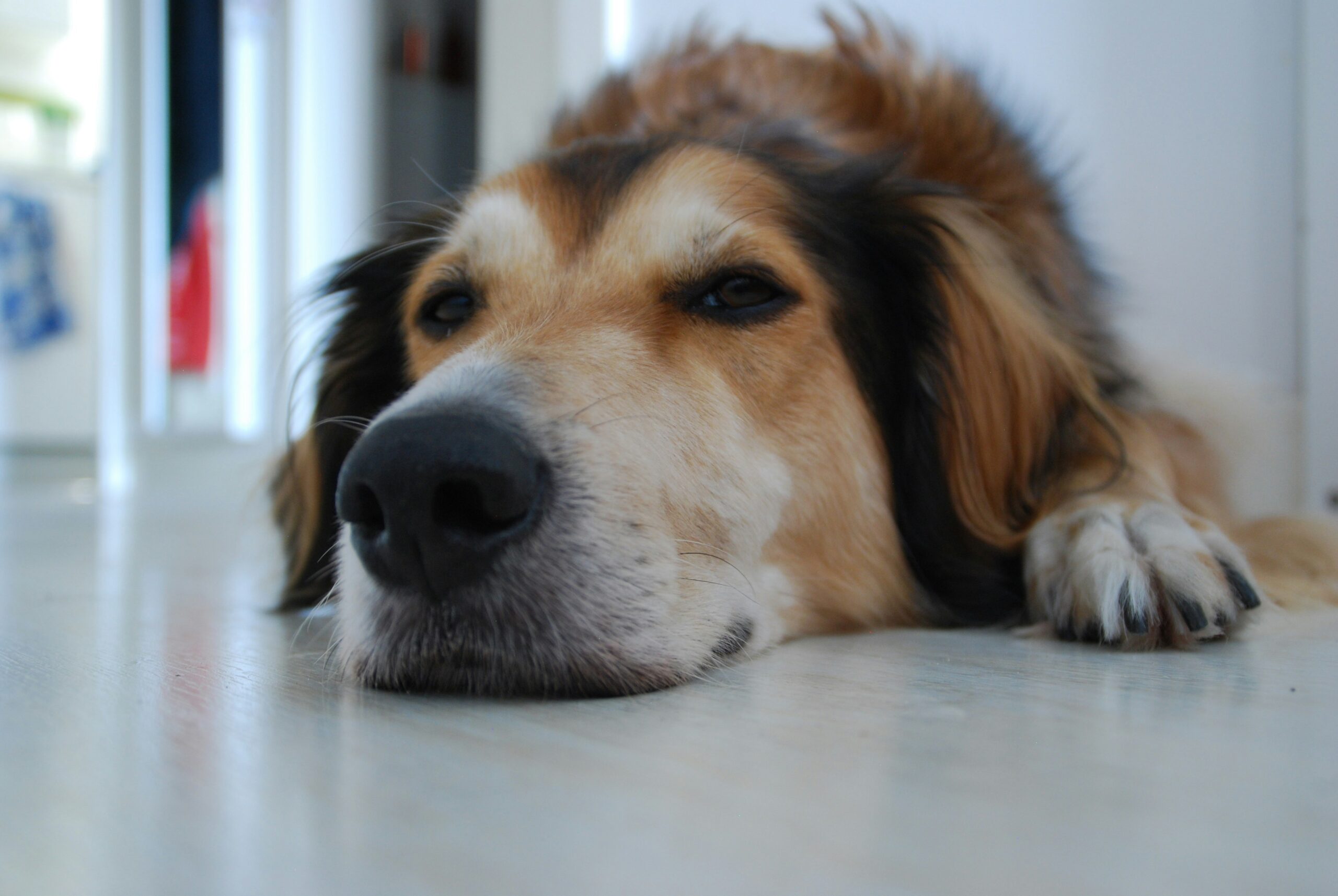
Seasonal Allergies in Dogs
What Are Seasonal Allergies in Dogs? Much like people, dogs can have allergies to a wide variety of environmental substances, including grass and tree pollen. Instead of year-round allergies, a dog’s symptoms may be seasonal, appearing only during certain seasons, such as spring and autumn.
What are the common symptoms of seasonal allergies in dogs?
Depending on the dog, you could notice things like:
- Scratching up
- Hair thinning
- The skin is becoming red
- Crusts
- Uncontrollable licking may occur anywhere on the body, although it typically begins on the paws.
- The dog’s excessive licking of the skin stains the fur with saliva.
- Chewing/gnawing
- Moist skin
The Common Causes of Seasonal Allergies in Dogs
The immune system of a dog with seasonal allergies is too sensitive to some environmental allergens. When the allergen levels are high enough to stimulate the dog’s immune system, the dog will experience signs of an allergic reaction.
💉 Essential Vaccinations for Your Dogs
The management of canine seasonal allergy symptoms
- Because seasonal allergies are long-term conditions, they do not have a treatment. You can keep your dog comfortable by treating and managing symptoms, such as using measures to prevent fleas and ticks throughout the year
- Medications that are relieving might make the dog more comfortable and reduce the risk of further skin infections.
- A dog’s anti-itch medicine should be initiated one month before the allergy season begins and continued for one month after the allergy season ends, once the allergy season has been identified based on the dog’s historical evidence.
- Omega-3 fatty acid supplements may also help dogs with anal gland issues, especially during allergy season when the glands require more frequent expression.
- Supplementing your dog’s diet with canine probiotics may help support its immune system and alleviate allergy symptoms.
🩺 Looking for a Local Vet? Port Kennedy’s Here for You!
Also Read – Common Dog Paw Problems
Also visit: