
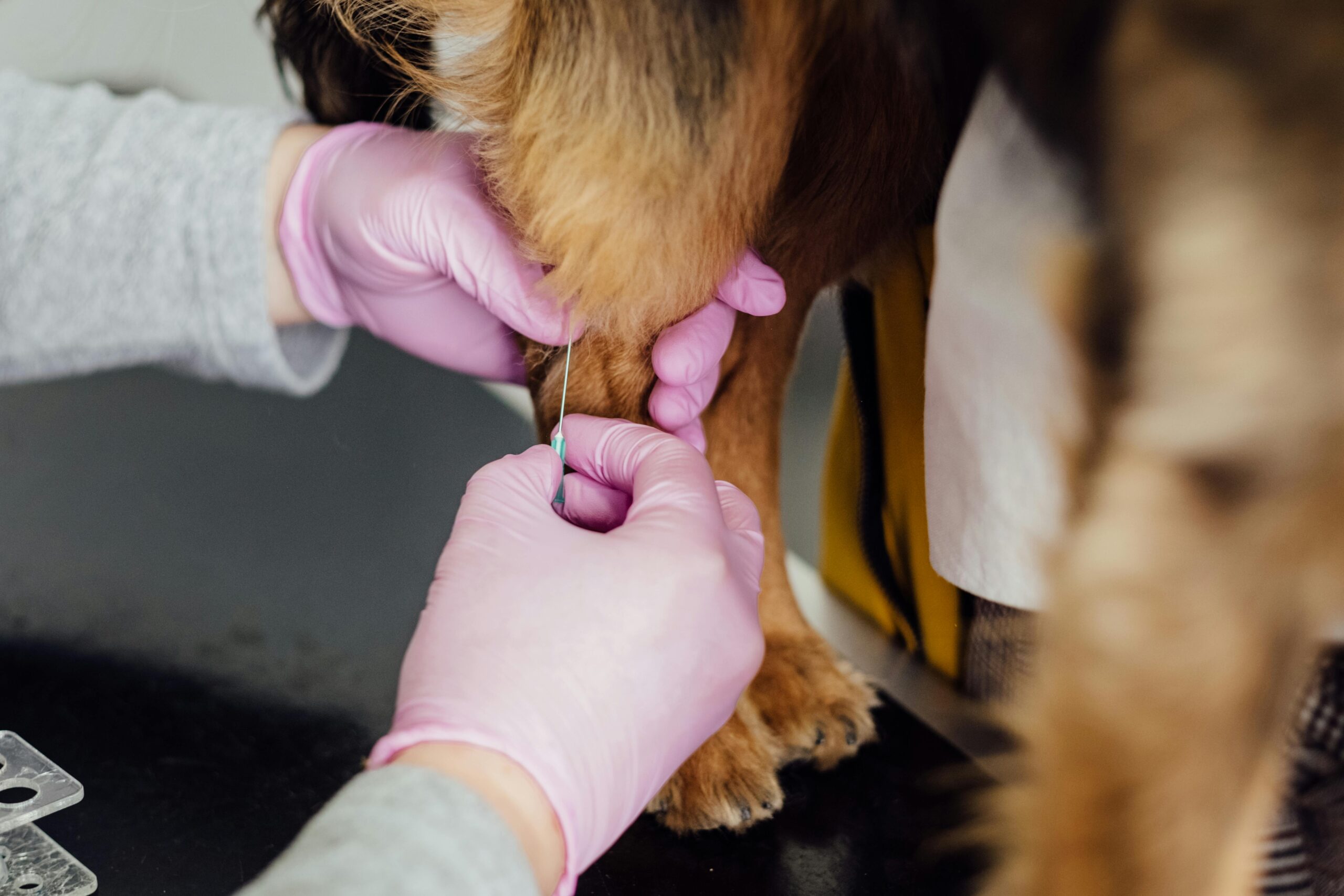
Essential Vaccinations for Your Dogs
Essential Vaccinations for Your Dogs: Depending on your location, certain infections may be more prevalent or less familiar. Our veterinarian will assess the risks and benefits based on your dog’s specific lifestyle requirements and advise you accordingly. Vaccination plans vary depending on your local area and the product and form of vaccination recommended by your vet.
Essential Vaccinations for Your Dogs
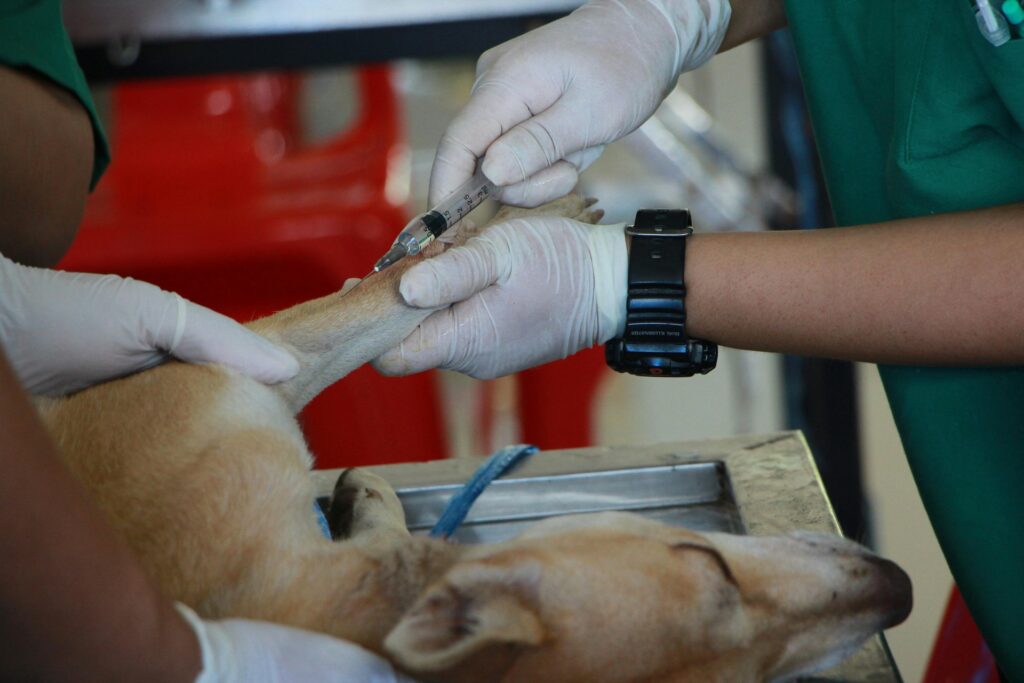
A series of fundamental vaccines is necessary for all dogs and puppies. Some of the most fundamental immunisations include:
- DA2PP, DHPP, or DAPP, which stands for canine distemper/adenovirus-2 (hepatitis), parvovirus, and parainfluenza, all in one shot.
- Vaccine against the Rabies Virus
🦴 Perth Dog Kennels Meal Plan for Your Dogs
Extra Immunisations
Your pet’s lifestyle will determine whether they receive a non-core vaccine, also known as a lifestyle vaccine. Several vaccines that aren’t considered essential protect against diseases that may be contagious or deadly.
Until the puppy is 6 weeks old, we vaccinate it every 2 to 4 weeks. It may be beneficial to vaccinate certain dogs in high-risk areas one final time between 18 and 20 weeks of age.
Why Do Dogs Need Multiple Vaccinations?
Newborn animals have not yet developed their own immunity, so they require protection against infection. They’re receiving I’s immunity, which is only temporary. It steadily declines over the first few weeks of life and is essentially gone by twelve weeks. The rate of decline varies depending on the man’s receivers. This is why Kittisenergo recommends three vaccinations at 6 to 16 weeks of age.
When Can I Take My Puppy Out After He’s Had a Vaccine?
It cannot be guaranteed that your pet will develop complete immunity from diseases for which they are vaccinated for up to 10-14 days after our recommended third vaccine. Nevertheless, socialising your puppy at this age is especially important. This is the same time when they are at the highest risk of infection with the disease, especially parvovirus.
You should avoid public areas, such as parks and beaches, until your dog has completed the vaccination program. Your puppy should only socialise with animals that are verified to be fully vaccinated or free from parvovirus, in a setting you understand.
🐕🦺 Tips to Keep Your Dog Fit and Healthy
Do the Vaccinations Have 100% Protection?
Vaccines have been highly successful in safeguarding the majority of dogs from diseases such as distemper, which were once common but are now rare. However, there are situations in which immunity conferred by a vaccine can be overcome, and a vaccinated dog can still develop the disease. In such instances, the infection was usually milder than it would have been if your pet had not received the vaccination.
🐬 Best Things to do in Mandurah
Also visit: