
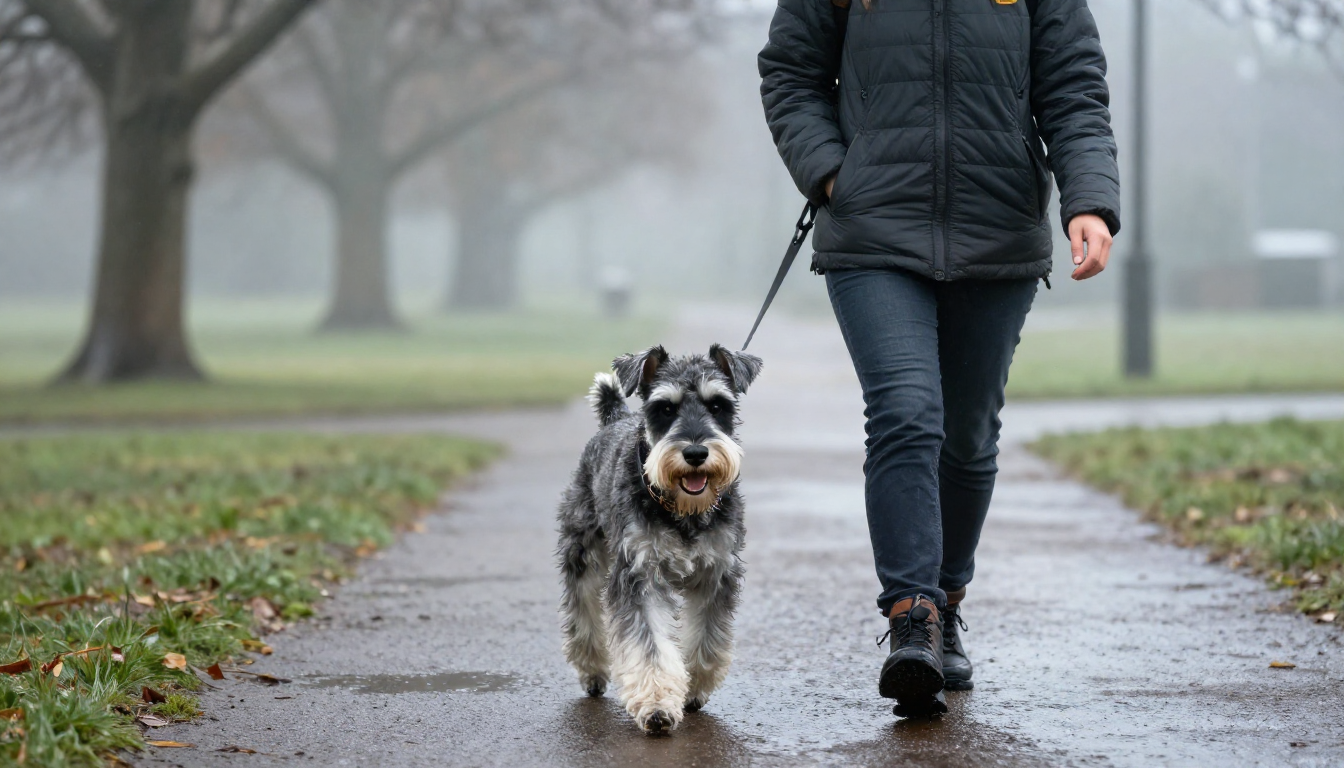
Winter Grooming Guide for Perth Dogs: Maintaining Manageable Lengths Through Rain
Perth winters are nothing like the grey, biting cold you’d find in Melbourne or Sydney. But don’t let that mild reputation fool you — from June through August, the Swan Coast sees persistent rain, damp mornings, muddy backyards, and enough humidity to make an ungroomed dog smell like a wet doormat by Tuesday. If you share your home with a furry companion, a solid dog grooming guide tailored to Western Australia’s winter conditions is well worth having on hand.
Why Perth’s Winter Coat Needs Its Own Dog Grooming Guide
Western Australia’s winter is wet, not freezing. Average temperatures in Perth sit between 8°C and 18°C — chilly enough for coats to thicken, but warm enough that heavy, overgrown fur quickly becomes a problem. Moisture clings to longer coats, creating the perfect environment for matting, skin irritation, and that persistent damp-dog odour that no amount of air-freshener seems to fix.
Unlike dogs in colder climates, where extra coat length acts as insulation, Perth dogs benefit most from manageable, medium-length coats through winter — long enough to provide a little warmth, short enough to dry quickly after a rainy backyard dash. Breeds like Golden Retrievers, Labradoodles, Border Collies, and Spoodles are particularly prone to winter coat complications if their grooming routine slips.
Key Grooming Practices to Keep Up Through the Wet Months
1. Stick to a Regular Brushing Schedule
Brushing is the single most important habit during Perth’s rainy season. Rain drives moisture into the undercoat, and without regular brushing, that moisture leads to tangles and matting — especially around the collar, armpits, and behind the ears. Aim for at least three to four brushing sessions per week for medium-to-long-coated breeds.
A slicker brush works well for detangling, while an undercoat rake helps remove excess shedding that builds up as days grow shorter and temperatures drop.
2. Maintain a Trim — Don’t Let the Coat Run Wild
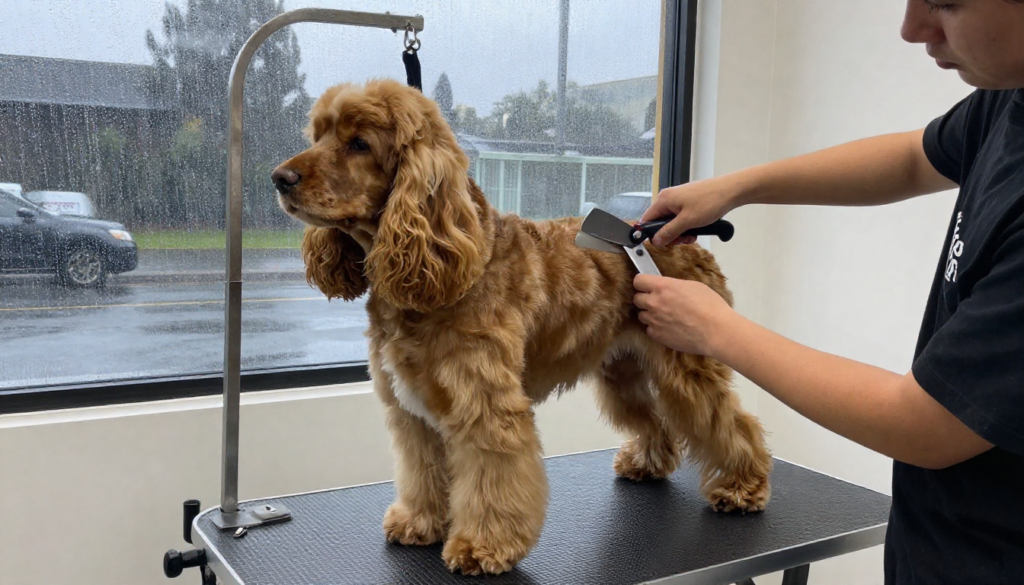
Many Perth dog owners assume winter means skipping the groomer. This is a common mistake. Overgrown coats pick up considerably more mud, water, and debris from Banksia-edged trails and backyard grass than trimmed ones do. A tidy trim every six to eight weeks through the cooler months keeps drying time shorter and prevents the mats that form when wet fur is left unattended.
Pay particular attention to the paws and belly — these areas collect the most mud during walks around parks like Bold Park or along the Canning River foreshore.
3. Dry Your Dog Thoroughly After Wet Walks
This sounds obvious, but it’s worth emphasising. A partially dry dog is a breeding ground for skin problems. Towel dry thoroughly, focusing on the ears and between the toes. If your dog tolerates it, a low-heat blow dryer on a calm setting can be a winter game-changer, especially for thicker coats.
Persistent dampness around the skin can also contribute to stress and irritability — something worth considering if your dog’s behaviour shifts during the rainy months. You can read more about how environment and routine disruptions affect dogs in this helpful article on kennel stress in dogs.
Bathing Tips for Perth’s Cooler Months
Contrary to popular belief, bathing doesn’t need to stop in winter — it just needs to be done smarter. Use a moisturising, dog-safe shampoo to counteract any dryness caused by the cooler weather. Always bathe indoors where possible, and ensure your dog is fully dried before heading outside.
Avoid over-bathing. Once every three to four weeks is plenty for most breeds through winter. Washing too frequently strips the coat of its natural oils, which are especially important for water-resistance during those soggy Perth mornings.
Health Checks You Shouldn’t Skip This Season
Grooming time is also health-check time. Parting the fur during brushing gives you a close-up view of the skin. You’re watching for redness, flaking, lumps, or signs of parasites — all of which can be harder to spot under a thick winter coat. Perth’s wetter conditions can encourage fungal and bacterial skin issues in dogs that aren’t regularly groomed.
While you’re keeping up with physical care, winter is also a good time to review your dog’s vaccination schedule. Wet weather brings more dogs indoors, to doggy daycares, and to grooming salons — all environments where disease transmission is possible. If you’ve been wondering whether your dog is up to date, this article on whether vaccinations are safe for dogs is a great starting point.
A Note for Multi-Pet Households
If you have both a dog and a cat sharing your Perth home, winter grooming extends to both. Cats — particularly those tempted outdoors by drier moments — can track in mud and damp as readily as dogs. Keeping cats indoors during wetter periods not only protects them but also reduces muddy paw prints throughout the house. For guidance on managing indoor cats comfortably during the cooler months, check out this resource on keeping your cat indoors.
Putting It All Together: Your Perth Winter Grooming Routine
This dog grooming guide for Western Australia’s winter comes down to consistency. The mild but wet conditions don’t demand dramatic changes — just a commitment to keeping up with brushing, maintaining reasonable coat lengths, drying dogs thoroughly, and staying alert to skin health. Perth’s winter is short, but a few months of grooming neglect can leave a coat in rough shape heading into the warmer months.
Whether you’re walking along the Fremantle foreshore, exploring Yellagonga Regional Park, or simply letting your dog roam the backyard in Subiaco, a well-groomed dog is a more comfortable, healthier, and frankly better-smelling companion through every grey Perth morning.
Make this dog grooming guide a seasonal habit, and both you and your dog will come out the other side of winter in great shape.
Also read – Dog Friendly Events in Perth, WA 2026
🩺 Looking for a Local Vet? Port Kennedy’s Here for You!
Also visit: