
Dog Cruciate Ligament Tear Treatment in Perth: A Guide for Local Pet Owners
If your dog has suddenly started limping or refusing to bear weight on a hind leg after a run at the park, a cruciate ligament tear could be the cause. This is one of the most common orthopaedic conditions seen in dogs across Australia — and Perth pet owners are no strangers to it. Understanding your options for dog cruciate ligament tear treatment early can make a significant difference to your dog’s recovery and long-term mobility. This guide walks you through everything you need to know, right here in Western Australia.
What Is a Cruciate Ligament Tear in Dogs?
The cranial cruciate ligament (CCL) — equivalent to the ACL in humans — stabilises your dog’s knee (stifle) joint. When it is partially or fully torn, the joint becomes unstable and painful.
Unlike human athletes who typically injure their ACL through sudden trauma, cruciate tears in dogs often develop gradually due to degeneration over time. Obesity, breed genetics, age, and high-impact activity all play a role. Larger breeds such as Labradors, Rottweilers, and Golden Retrievers are particularly predisposed. In Perth’s warm climate, active dogs that enjoy regular beach runs or bush walks may be at higher risk of sudden rupture on top of underlying ligament wear.
Signs Your Dog May Have a Cruciate Tear
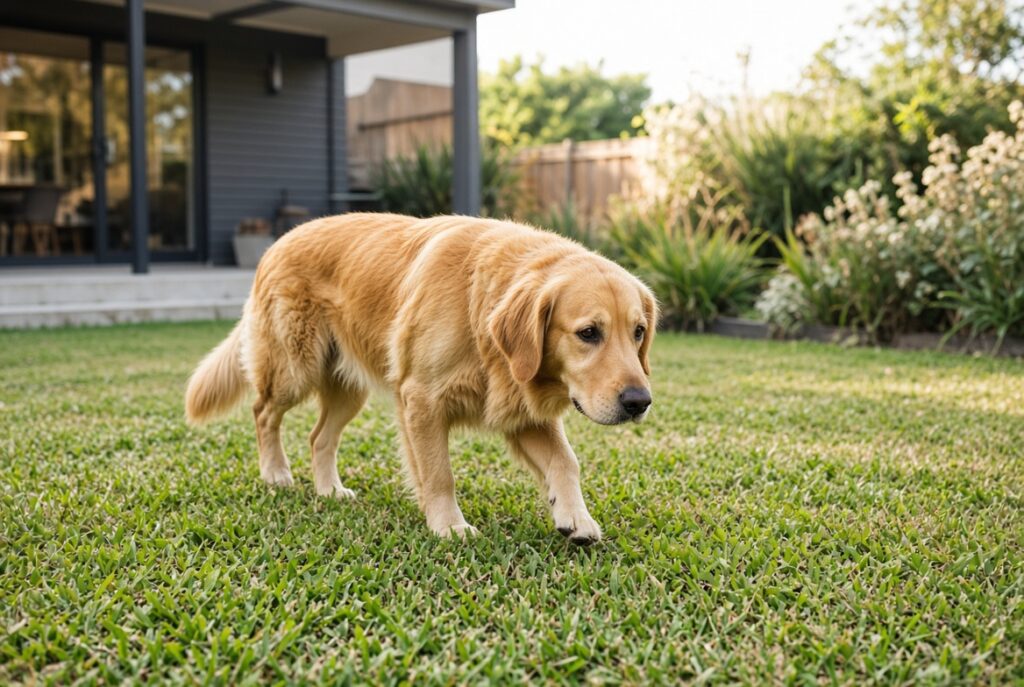
Recognising the signs early gives your dog a better chance at a full recovery. Look out for:
- Sudden lameness in a hind leg, especially after exercise
- Reluctance to bear weight on the affected leg
- Swelling around the knee joint
- Difficulty sitting, rising, or climbing stairs
- Muscle wasting in the affected hind leg over time
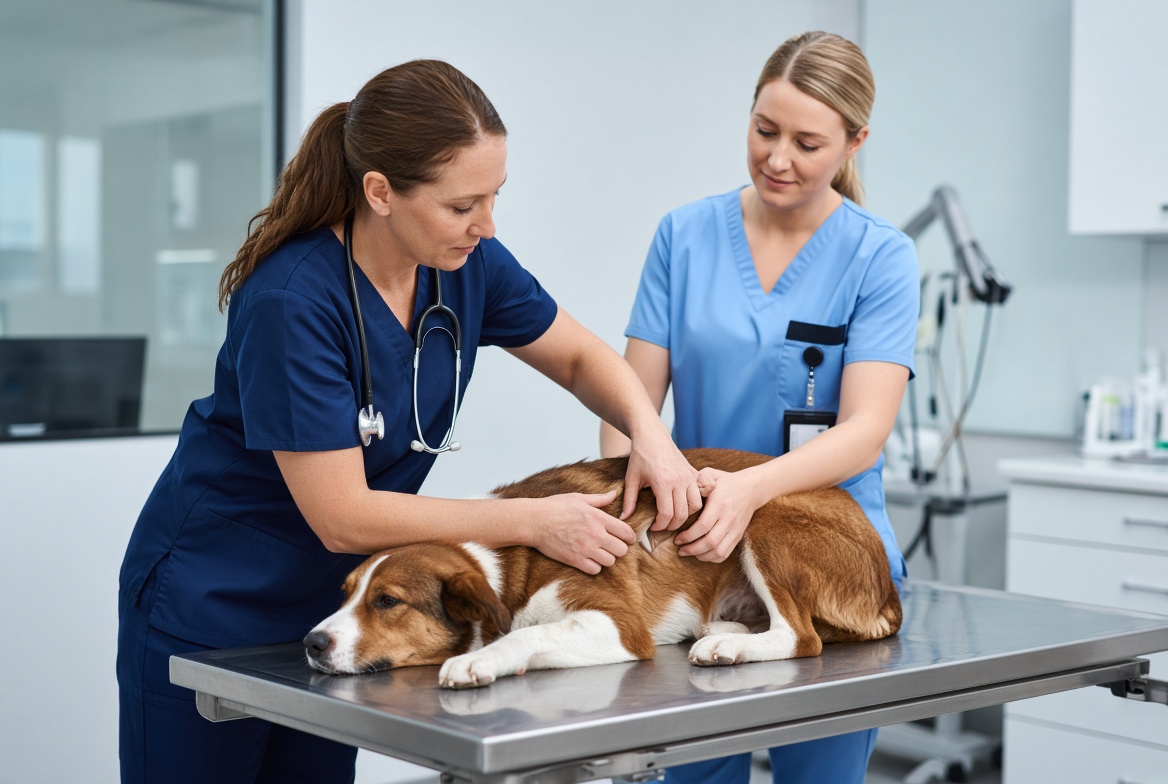
If you notice any of these signs, book a veterinary consultation promptly. Your vet will perform an orthopaedic examination — including the “drawer test” — to assess joint instability and confirm the diagnosis.
Dog Cruciate Ligament Tear Treatment Options in Perth
Once diagnosed, there are several dog cruciate ligament tear treatment pathways your Perth vet may recommend, depending on your dog’s size, age, and the severity of the tear.
Surgical Treatment
Surgery is the most recommended option for medium to large-breed dogs. The two most common procedures performed by veterinary surgeons in Perth are:
- TPLO (Tibial Plateau Levelling Osteotomy): Changes the angle of the tibial plateau so the joint no longer relies on the cruciate ligament for stability. Widely regarded as the gold standard for larger dogs.
- TTA (Tibial Tuberosity Advancement): Alters the mechanics of the knee joint and is a popular alternative to TPLO with similar outcomes.
Both procedures are available through specialist veterinary surgical centres across Perth, including in suburbs such as Osborne Park, Murdoch, and Joondalup.
Conservative Management
For very small dogs (generally under 10 kg) or those not suitable for surgery, conservative management may be appropriate. This typically involves strict rest for 8–12 weeks, anti-inflammatory pain medications, physiotherapy, and weight management.
Recovery and Post-Treatment Care
Recovery following surgery typically takes 12–16 weeks, with full return to normal activity taking up to six months. Your vet will provide a structured rehabilitation plan that may include controlled leash walks and hydrotherapy, both of which are available through animal rehabilitation centres in Perth.
Weight management is critical throughout recovery. Carrying excess weight places enormous strain on healing joints. Speak to your vet about an appropriate diet to support your dog’s rehabilitation.
Keeping Your Perth Dog Healthy Long-Term
While not all cruciate tears can be prevented, maintaining a healthy body weight and providing regular, low-impact exercise — such as swimming or leash walking — can significantly reduce the risk. Avoid sudden bursts of intense activity after long rest periods.
Staying on top of your dog’s broader health matters, too. Read about Perth dog disease prevention tips to keep your dog in top condition year-round. Routine preventive care, including keeping up with essential vaccinations for your dog, ensures their body is best placed to heal and resist complications following any orthopaedic treatment.
Conclusion
A cruciate ligament tear is a serious but very treatable condition. With the right dog cruciate ligament tear treatment plan and the excellent veterinary resources available across Perth, most dogs go on to live happy, active lives. Act quickly, work closely with your vet, and commit to the rehabilitation process — your dog is counting on you.
🩺 Looking for a Local Vet? Port Kennedy’s Here for You!
Also visit –
✈️ Need Help With Your Australian Visa