
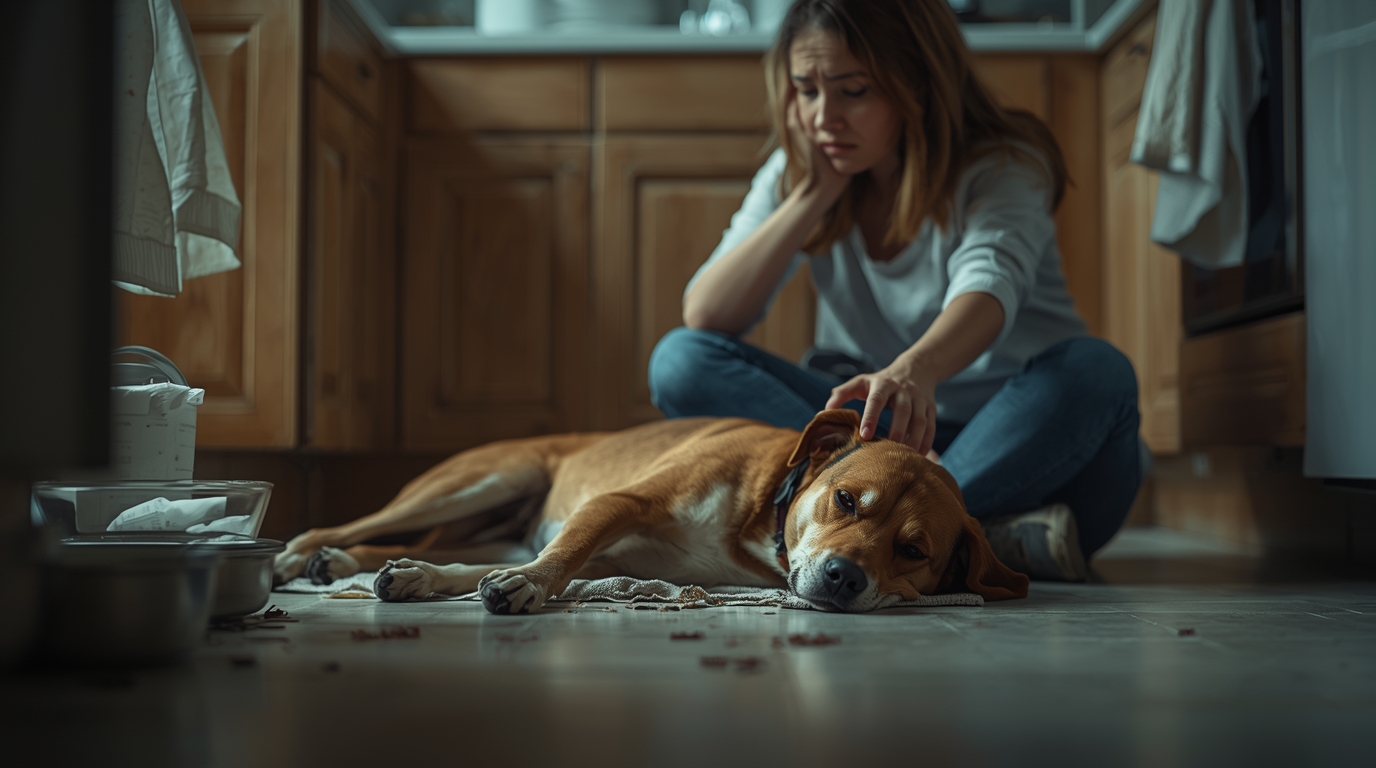
Dog Vomiting and Diarrhoea: A Guide for Perth Pet Owners
When your beloved pet experiences dog vomiting and diarrhoea, it can be distressing for both you and your furry companion. These symptoms are among the most common reasons Perth pet owners seek veterinary care, and understanding the causes and treatment options can help you respond appropriately when your dog needs help.
Common Causes in Western Australia
Several factors can trigger digestive upset in dogs throughout Perth and Western Australia. Dietary indiscretion tops the list—many dogs can’t resist raiding bins or eating inappropriate items during walks along Perth’s beautiful beaches or parks. The sudden consumption of rich table scraps, spoiled food, or even excessive grass grazing can irritate your dog’s gastrointestinal system.
Beyond dietary issues, infections from bacteria, viruses, or parasites frequently cause these symptoms. Parvovirus remains particularly dangerous for unvaccinated puppies in WA, while intestinal parasites like roundworms and Giardia can affect dogs of any age. Food sensitivities, stress from environmental changes, and underlying health conditions such as pancreatitis or organ disease may also be culprits.
Recognising Severity: When to Act
Not all cases of dog vomiting and diarrhoea require emergency intervention, but knowing the warning signs is crucial. Mild episodes involving infrequent vomiting or soft stools, where your dog maintains normal energy and continues drinking, often resolve within 24 hours with home care.
However, several red flags warrant immediate veterinary attention. Contact a Perth vet clinic urgently if your dog shows bloody vomit or diarrhoea, appears lethargic or in pain, refuses water, displays a hunched posture, or if symptoms persist beyond 24 hours. Puppies, senior dogs, and those with existing health issues require faster intervention as dehydration can quickly become life-threatening.
🐾 Little Dogs That Stay Healthier for Years
Treatment and Home Care
For mild cases where your dog remains alert and comfortable, you can provide supportive care at home. Withhold food for 12-24 hours to allow the digestive system to rest, though puppies and small breeds should never be fasted without veterinary guidance. Offer small amounts of water frequently to prevent dehydration.
After the fasting period, introduce a bland diet of boiled chicken with rice in small, frequent meals. Gradually reintroduce regular food over several days. Keep your dog in a quiet, comfortable space and monitor closely for any worsening symptoms.
Professional treatment for dog vomiting and diarrhoea typically involves rehydration through oral fluids or intravenous therapy, depending on severity. Perth veterinarians may prescribe anti-nausea medications, antibiotics for bacterial infections, or anti-diarrheal drugs. Diagnostic tests, including blood work, stool analysis, and imaging, help identify underlying causes that require specific treatment.
Emergency Resources in Perth
Western Australia offers excellent after-hours veterinary services when emergencies strike. Perth Vet Emergency in Yokine operates weeknights and 24/7 on weekends, while WAVES in Success provides round-the-clock specialist care. The Animal Hospital at Murdoch University and facilities like Vetwest, with 16 locations across Perth, ensure comprehensive coverage for your pet’s urgent needs.
By understanding these symptoms and knowing when to seek help, Perth pet owners can ensure their dogs receive prompt, appropriate care for digestive issues.
Also read – Perth Dog Disease Prevention Tips
🩺 Looking for a Local Vet? Port Kennedy’s Here for You!
Also visit: